
Արագացող գլոբալ տաքացումը մեծ սպառնալիք է ներկայացնում կարտոֆիլի արտադրության և մատակարարման շղթաների համար
Հիմնական ճարպերը
- Warming at 0.35°C per decade since about 2015
- Against 0.2°C per decade from 1970 to 2015
- Confirmed in five datasets, 98%+ confidence
- Heat in tuber formation cuts yield and dry matter
- Reducing sugars darken fries and chips
Ինչու է դա կարեւոր
- Ֆերմերների համար
- Irrigation demand, pest windows and storage cost all move at once — the adaptation is not a single decision.
- Պրոցեսորների համար
- Reducing sugars are the direct commercial link: warming shows up as fry colour before it shows up as tonnage.
- Ներդրողների համար
- Heat- and drought-tolerant breeding, precision irrigation and storage technology are where the response capital is going.
60 վայրկյան տևողությամբ ամփոփում
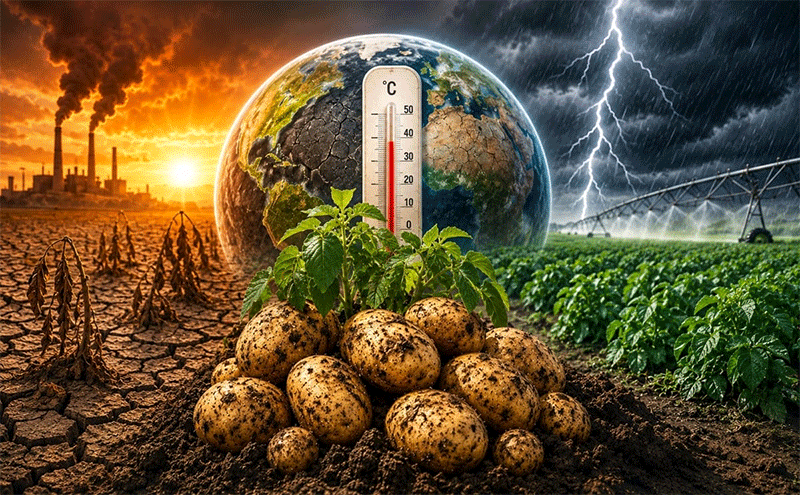
A study from the Potsdam Institute for Climate Impact Research, published in Geophysical Research Letters, finds that global warming has accelerated since around 2015: temperatures are rising at 0.35°C per decade against 0.2°C per decade between 1970 and 2015, confirmed across five independent datasets at over 98% statistical confidence. For potatoes — grown in more than 150 countries with output above 380 million tonnes — this matters more than for cereals, because the crop favours cooler conditions. Heat during tuber formation reduces yield, shortens the season and cuts dry matter accumulation, while promoting secondary growth, cracking and hollow heart and raising reducing sugars that darken fried products. Beyond the field, higher evapotranspiration and erratic rainfall intensify irrigation demand, aphids, psyllids and late blight expand their range, and storage faces higher cooling costs and losses from premature sprouting.
Պոտսդամի կլիմայի ազդեցության հետազոտությունների ինստիտուտի (PIK) կողմից հրապարակված նոր կլիմայական ուսումնասիրությունը… Երկրաֆիզիկական հետազոտություններ Նամակներ, ցույց է տալիս, որ գլոբալ տաքացումը ոչ միայն շարունակվել է, այլև արագացել է մոտավորապես 2015 թվականից ի վեր, և ջերմաստիճանն այժմ բարձրանում է 0.35°C տեմպերով՝ գրեթե կրկնակի ավելի, քան 1970-2015 թվականներին դիտարկված 0.2°C-ն տասնամյակում։ Այս միտումը, որը հաստատվել է հինգ անկախ տվյալների հավաքածուներում՝ ավելի քան 98% վիճակագրական վստահությամբ, խորը հետևանքներ ունի գյուղատնտեսության, մասնավորապես կարտոֆիլի համար, որը մշակվում է ավելի քան 150 երկրներում և տարեկան արտադրանքը գերազանցում է 380 միլիոն տոննան։ Հացահատիկային մշակաբույսերից տարբերվող կարտոֆիլը ծաղկում է ավելի զով պայմաններում, ինչը այն դարձնում է խիստ խոցելի ջերմային սթրեսի նկատմամբ. պալարների ձևավորման ընթացքում բարձրացող ջերմաստիճանը նվազեցնում է բերքատվությունը, կրճատում աճեցման շրջանները և նվազեցնում չոր նյութի կուտակումը։ Ավելի տաք պայմանները նաև նպաստում են ֆիզիոլոգիական թերություններին, ինչպիսիք են երկրորդային աճը, ճաքճքումը և խոռոչ սրտխառնոցը, միաժամանակ ավելացնելով վերականգնող շաքարները, որոնք մգացնում են տապակած մթերքները, ինչպիսիք են կարտոֆիլը և չիպսերը,՝ անմիջականորեն ազդելով վերամշակման որակի և շուկայականության վրա։
Beyond the field, accelerated warming threatens water management, pest dynamics, and post-harvest systems. Higher evapotranspiration rates and increasingly erratic rainfall will intensify irrigation demands, while pests like aphids and potato psyllids—along with diseases such as late blight—are expected to expand their geographic range and activity periods. Storage faces rising cooling costs and greater losses from premature sprouting and respiration under elevated temperatures, while extreme weather events disrupt harvesting, transport, and processing, heightening supply chain volatility. In response, researchers, breeders, and industry players are accelerating investments in heat- and drought-tolerant varieties, precision irrigation, regenerative soil practices, digital monitoring, and advanced storage technologies. Organizations like the International Potato Center (CIP) are fast-tracking breeding programs, while AI and remote sensing offer farmers real-time tools for adaptive management. However, as the PIK study underscores, the pace of warming is quickening, demanding equally rapid and coordinated action across science, policy, and the entire potato value chain to safeguard this essential global food source.
Գլոբալ կարտոֆիլի համառոտ նկարագրություն
Հինգ լավագույն նորություններ, գներ, հիվանդությունների մասին ահազանգեր և միջոցառումներ: Աշխատանքային օրերին առավոտներ, առանց գովազդի:
Աղբյուրներ
- Potsdam Institute for Climate Impact Research (PIK), published in Geophysical Research Letters — named in the article
Հղում այս նյութում
- Ընկերություններ
- PIK; International Potato Center (CIP)
- Տեխնոլոգիաներ
- Heat- and drought-tolerant breeding; precision irrigation; AI and remote sensing; advanced storage
- Բաժիններ
- ԿլիմաՆորություններ
Առնչվող պատմություններ

Ռուս կարտոֆիլագործները 2026 թվականին կրկնակի ճգնաժամի առաջ են կանգնած՝ ծայրահեղ եղանակային պայմաններ և մանրածախ շուկայի խտրականություն

Ծայրահեղ եղանակը ավերել է կարտոֆիլի բերքը Ռուսաստանում և Ղազախստանում՝ բարձրացնելով գները


