
Potassium Chloride in Autumn: When Pre-Plough Application Protects Potato Yield and Starch

Հիմնական ճարպերը
- 210 days before planting: autumn KCl kept chloride out
- 5.8 kg K₂O per tonne of tubers is removed with the crop
- 190 kg K₂O/ha is the most PDA advises in the seedbed
- 300 kg K₂O/ha and above: split 50:50 autumn and spring
Ինչու է դա կարեւոր
- Ֆերմերների համար
- Apply potassium chloride in autumn on medium and heavy soils, split high rates and use SOP where dry matter is paid for.
- Պրոցեսորների համար
- Ask contract growers how and when potash is applied: chloride close to planting can lower dry matter.
- Մատակարարների համար
- Offer autumn MOP plus spring SOP programmes with soil testing for processing growers.
60 վայրկյան տևողությամբ ամփոփում
Potash for next year's potatoes is often spread before autumn ploughing, and the choice of form matters. Muriate of potash is the cheapest source of potassium, but its chloride reduces dry matter and starch, which crisp, fry and starch buyers pay for. A trial in Oregon by University of California and Oregon State researchers tested three timings. When the fertiliser went down 210 days ahead, chloride had washed below the roots by planting, and yield and specific gravity did not differ between timings. The UK Potash Development Association puts removal at about 5.8 kg K₂O per tonne of tubers, while the growing crop needs over 300 kg/ha at peak. Its guidance keeps up to 190 kg/ha for the seedbed and splits heavier rates between autumn and spring. Light soils are the exception: potassium itself can leach, so application waits until after the new year. Rates on new fields should follow a soil test.
Autumn ploughing is a convenient moment to put down potash for next season’s potatoes. Potassium chloride (muriate of potash, MOP) is still the cheapest potassium fertiliser. But potatoes react to it in a special way: chloride lowers dry matter and starch in the tubers. The right timing lets growers use cheap potassium without paying for it in quality.
How much potassium a potato crop removes
Potatoes are one of the most potassium-hungry crops. According to the UK Potash Development Association (PDA), tubers contain about 5.8 kg of K₂O per tonne. A crop of 40 t/ha removes about 230 kg K₂O/ha. At peak uptake, however, the crop needs more than 300 kg K₂O/ha, because tubers hold only about 75% of the maximum potassium taken up; the rest stays in the haulm. Rate planning should separate removal with the crop from the needs of the growing crop, and it should start from a soil test.
Why chloride is a problem
Chloride ions slow the transport of carbohydrates from leaves to tubers, raise the water content of tissue and lower dry matter, agronomists at the potash producer K+S explain. The PDA summary shows that MOP reduces dry matter and starch more than sulphate of potash (SOP). For crisp, French fry and starch potatoes this is a direct loss of price. For table potatoes on rich soils the effect can even help, where starch content is expected to be too high.
Աշխատանքային օրերին։ Հրաժարվեք բաժանորդագրությունից մեկ սեղմումով։
Autumn versus spring: what the trials showed
Researchers from the University of California and Oregon State University compared three timings of potassium chloride at a site in Hermiston, Oregon: 210 days before planting (autumn), 14 days before planting and 35 days after planting. After the autumn application, chloride in the plants did not increase: by planting time, it had been leached below the root zone. The trial found no difference in yield or specific gravity between the timings. The authors recommend applying potassium chloride in autumn, so that chloride has time to leave the root zone, and to lower the risk of soil salinity.
Գործնական կանոններ
- With high rates, part of the potash is better applied in autumn. PDA guidance: up to 190 kg K₂O/ha can go into the seedbed in spring; higher rates should be split between autumn/winter and spring; above 300 kg K₂O/ha, split 50:50 to avoid damage from high salt concentration.
- On light soils, autumn application risks leaching of potassium itself. UK advice for these soils is to apply after the turn of the year.
- Where dry matter and starch matter (processing, starch), autumn MOP can be combined with spring SOP, or growers can switch to SOP completely.
- On a new field where potatoes have not been grown before, the rate should come only from a soil test and the target yield. An “average” rate may be too high or too low.
Potassium timing is also covered in our general guide Կարտոֆիլի բերքի սնուցում. NPK մակարդակներ, ժամկետներ և անբավարարության ախտանիշներ.
Ինչու է դա կարեւոր
Potassium is a large part of fertiliser costs, and processors pay for dry matter. Moving potassium chloride to autumn is a simple way to save on fertiliser without losing tuber quality. The decision has to be made now, before autumn ploughing.
Photo: A tractor spreading fertiliser on a field (illustrative). Michael Dibb / Wikimedia Commons, CC BY-SA 2.0
Գլոբալ կարտոֆիլի համառոտ նկարագրություն
Հինգ լավագույն նորություններ, գներ, հիվանդությունների մասին ահազանգեր և միջոցառումներ: Աշխատանքային օրերին առավոտներ, առանց գովազդի:
Ինչ հաջորդ
Rates and timing must be set before autumn ploughing, based on soil tests and the planned market for the crop.
Աղբյուրներ
- MAX chat «КАРТОФЕЛЬ И Т.Д. (կարտոֆիլ և այլն)» — https://max.ru/join/SViX6IyOKuJHB6-xuuepbMbts_zk4eiEYdXUpUWVu28
- Spudman — Study reveals information on the timing of potassium chloride in potato fields — https://spudman.com/news/study-reveals-information-on-the-timing-of-potassium-chloride-in-potato-fields/
- Agrosystems, Geosciences & Environment (2022) — Timing of potassium chloride application effect on soil and potato uptake of chloride — https://acsess.onlinelibrary.wiley.com/doi/10.1002/agg2.20301
- Potash Development Association — Potash for Potatoes, leaflet 15 — https://www.triedandtested.org.uk/media/0leij0zs/potash-for-potatoes.pdf
- K+S — Sulfate versus chloride: the ideal potassium fertilizer for potatoes — https://www.kpluss.com/en-us/our-business-products/agriculture/kali-academy/facts-worth-knowing/en-the-ideal-potassium-fertilizer-for-potatoes/
Հղում այս նյութում
- Երկիր
- Աշխարհ
- Բաժիններ
- ԱգրոնոմիաՆորություններ
Առնչվող պատմություններ
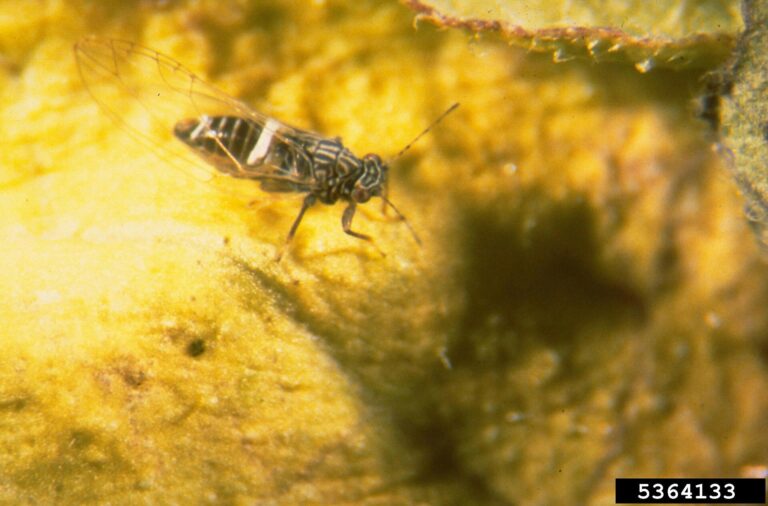
Գլոբալ. Կարտոֆիլի պսիլիդը լավագույնս զարգանում է մոտ 27°C ջերմաստիճանում և կարող է մի քանի ժամվա ընթացքում փոխանցել զեբրա չիպը։
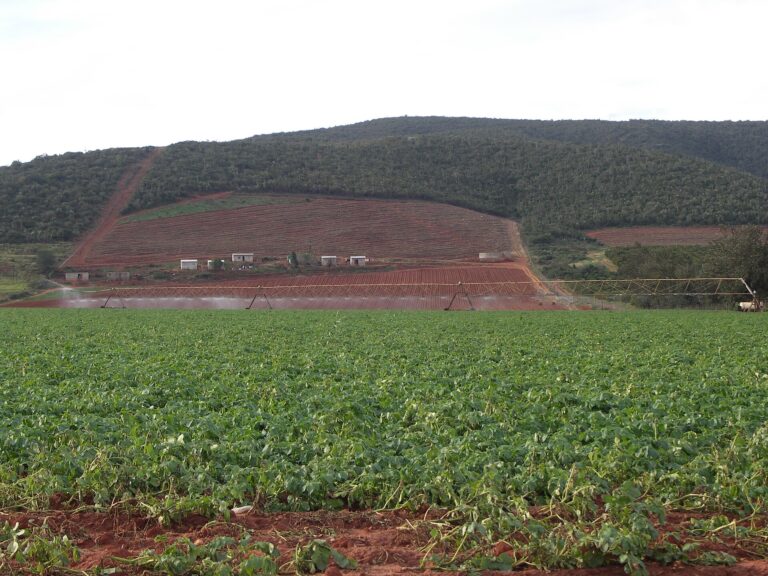
Գլոբալ. կոթիոլային հյութի նիտրատի մակարդակը պետք է նվազի 1,200–1,600 ppm-ից վաղ շրջանում մինչև մոտ 400–700 ppm՝ ուշ ծավալային աճի ժամանակ։


